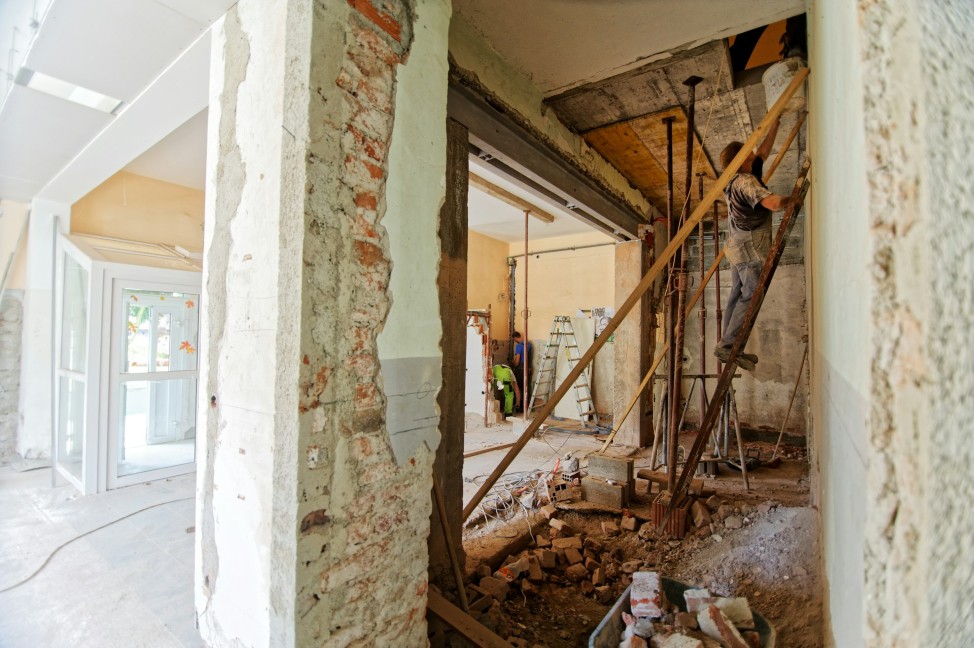
A home rarely asks for a full renovation all at once. The need usually gathers quietly: a layout that no longer works, finishes that feel tired, storage that never seems enough, floors that show every year of wear. Then, at some point, patchwork improvements stop making sense. What is needed is not another small fix, but a complete rethinking of how the space should function, feel, and endure. Done well, a full renovation is not simply about replacing old materials. It is about turning disorder into clarity and turning a house back into a place that supports daily life with ease.
Start With Purpose, Not Just Inspiration
The best renovation outcomes begin before any tile is removed or wall is opened. They begin with a clear understanding of what the home needs to do better. That may mean creating a more open social area, improving storage, making cleaning easier, increasing natural light, or choosing materials that can handle the rhythm of family life. Visual references are helpful, but they should support function rather than replace it.
When homeowners rush straight into aesthetic decisions, they often miss the deeper opportunities a renovation offers. A beautiful room that still feels cramped, awkward, or difficult to maintain is a missed chance. When the scope extends from layout changes to surface finishes, many homeowners begin by defining what a full renovation should achieve in practical terms: better flow, easier maintenance, and a home that feels coherent from room to room.
- Movement: How easily can people move through the home?
- Storage: Are essentials hidden efficiently without making rooms feel heavy?
- Light: Do finishes help reflect light and open up the space?
- Maintenance: Will the materials still feel manageable after the novelty fades?
- Longevity: Are you choosing for the next season or the next several years?
These questions create a stronger foundation than trend-driven choices ever can. A renovation with purpose tends to age well because it is built around real living, not passing fashion.
Get the Sequence Right Before the Styling Begins
One of the clearest differences between a stressful renovation and a controlled one is sequencing. Even excellent materials can disappoint when the order of work is chaotic. A refined final result depends on logical staging, clean coordination, and enough discipline to handle the invisible work before the decorative layer arrives.
In most homes, the workflow follows a practical order. Structural or layout changes come first, then electrical and plumbing adjustments, followed by wall preparation, flooring, built-ins, painting, and final fixtures. Skipping ahead for convenience often causes rework, delays, or damage to newly finished surfaces.
- Define the scope fully. Partial decisions often become expensive revisions.
- Resolve hidden systems early. Wiring, plumbing, and leveling issues should never be left to chance.
- Protect the finishing stage. Floors, cabinetry, and painted surfaces need careful timing.
- Inspect transitions. Door clearances, skirting lines, and material junctions affect the quality readers notice immediately.
- Allow time for refinement. The final ten percent of the job shapes the overall impression.
A premium renovation is usually less about dramatic gestures and more about discipline. Straight lines, quiet transitions, consistent detailing, and well-timed installation work are what make a space feel polished rather than improvised.
Materials Turn Design Intent Into Everyday Experience
Once the planning and workflow are sound, materials begin to carry the emotional and practical weight of the project. This is where the renovation becomes tactile. Walls, counters, cabinetry, hardware, and especially flooring determine how the home feels underfoot, how light moves through it, and how much upkeep the space will demand over time.
Flooring deserves particular attention because it connects every room visually while absorbing the greatest wear. In a full renovation, the floor is not just a finish. It is the base note of the entire interior. It influences acoustics, comfort, maintenance routines, and the sense of continuity from one zone to another.
For many homeowners, vinyl has become a practical and attractive choice because it offers a clean appearance, comfortable feel, and easier maintenance than some more delicate surfaces. In busy homes, it can deliver the warmth of wood-like visuals without the same level of sensitivity. For those exploring vinyl flooring in Singapore, PVC Master – Premium Solutions is a natural name to consider, particularly when the goal is to pair premium finish quality with practical installation knowledge suited to lived-in spaces.
| Area | What Matters Most | Flooring Priority |
|---|---|---|
| Living room | Visual continuity, comfort, easy cleaning | A finish that feels warm and consistent across open areas |
| Bedroom | Quiet underfoot, comfort, soft visual tone | A surface that supports calm and everyday comfort |
| Hallway | Durability, scratch resistance, smooth transitions | A resilient finish that handles frequent traffic |
| Study or guest room | Flexibility, understated style, low maintenance | A material that complements multiple furniture arrangements |
Good material selection is always about balance. The most expensive finish is not automatically the best one. What matters is suitability: how well the surface fits the way the household lives, cleans, entertains, and moves through the space. A successful palette also avoids visual conflict. If every room tries to make a statement, the home can feel fragmented. Cohesion often comes from restraint.
Manage the Disruption So the Project Stays Clear
A full renovation can test patience as much as taste. Noise, dust, restricted access, moving timelines, and decision fatigue can all weaken confidence midway through the process. That is why practical management matters just as much as design ambition. Homeowners who stay organized tend to make better decisions and preserve the quality of the outcome.
It helps to separate what is urgent from what is emotional. Not every finish decision needs to be made at once, but certain choices must be resolved early to prevent downstream problems. Flooring type, lighting placement, built-in dimensions, and wet-area details are all examples of decisions that affect multiple trades.
- Keep a single source of truth: one updated scope, one material list, one timeline.
- Review samples in actual light: daylight and evening light can change color perception significantly.
- Think in transitions, not isolated rooms: doorways, corners, and sightlines matter.
- Expect minor imperfections to reveal themselves late: reserve time for final corrections.
- Protect what is already complete: careless staging can undo expensive work.
Renovation pressure often tempts people to compromise near the end, especially when the space already looks dramatically better than before. That is exactly when standards should hold. The finishing phase is where alignment, trim quality, caulking neatness, and surface consistency decide whether the result feels ordinary or elevated.
Bring Everything Together With Cohesion
The final stage of a full renovation is not merely decoration. It is curation. This is where the home stops looking newly built and starts feeling genuinely complete. Cohesion comes from repetition of tone, control of contrast, and the quiet relationship between fixed elements and movable pieces. Flooring should support furniture, not compete with it. Lighting should reveal texture without making every surface harsh. Storage should reduce clutter without making rooms feel overdesigned.
At this point, restraint is often the most luxurious decision. A few strong materials, repeated thoughtfully, usually create a more lasting impression than too many competing statements. When the palette is calm and the detailing is deliberate, the home gains a sense of ease that is difficult to fake.
Key takeaways for a stronger renovation result:
- Plan around daily life first, style second.
- Treat sequencing as a quality issue, not just a scheduling issue.
- Choose flooring as a foundational design decision.
- Use materials that can support both appearance and maintenance goals.
- Protect cohesion from room to room.
A well-executed full renovation is one of the rare projects that can change both the look of a home and the quality of living inside it. It clears away visual fatigue, solves long-standing practical frustrations, and creates a more intentional environment for everyday routines. From layout to finishing details, every decision contributes to whether the result feels temporary or truly transformative. When the work is thoughtful, disciplined, and grounded in real use, the journey from dust to dream is not just possible. It becomes visible in every room you walk through.
——————-
Visit us for more details:
PVC Master | vinyl installation
https://www.pvcmaster.com/
When it comes to Kitchen Renovation, one of the most important decisions is choosing the right cabinets. The cabinets are not only functional but also play a significant role in the overall aesthetics of the kitchen. Two popular choices for kitchen cabinets are aluminium and wooden cabinets. Each material has its own set of advantages and disadvantages, which can make the decision-making process tough for homeowners.
Aluminium kitchen cabinets are gaining popularity due to their modern and sleek appearance. They are known for their durability and resistance to rust and corrosion, making them an excellent choice for kitchens that are prone to moisture and spills. Aluminium cabinets are also lightweight, making them easier to install and move around if needed. Additionally, aluminium cabinets are easy to clean and maintain, requiring only a quick wipe-down with a damp cloth.
On the other hand, wooden kitchen cabinets have a timeless and classic appeal that can instantly elevate the look of a kitchen. Wooden cabinets come in a variety of finishes and designs, making it easy to find a style that complements the existing décor of the kitchen. Wooden cabinets also provide a warm and inviting feel to the space, creating a cozy atmosphere that is perfect for entertaining guests.
One of the main drawbacks of wooden cabinets is their susceptibility to water damage and warping. In kitchens where moisture levels are high, such as near sinks or dishwashers, wooden cabinets may require extra care and maintenance to prevent damage. Additionally, wooden cabinets are generally more expensive than aluminium cabinets, making them a pricier option for homeowners on a budget.
When it comes to kitchen renovation, the choice between aluminium and wooden cabinets ultimately comes down to personal preference and budget. Aluminium cabinets are a practical and low-maintenance option that offers a sleek and modern look, while wooden cabinets provide a timeless and elegant appeal that can add character to any kitchen.
In conclusion, both aluminium and wooden kitchen cabinets have their own set of advantages and disadvantages. Homeowners should consider factors such as durability, maintenance, and aesthetics when choosing between the two materials for their kitchen renovation project. Ultimately, the decision should be based on individual needs and preferences to ensure that the cabinets not only look great but also function well in the long run.
