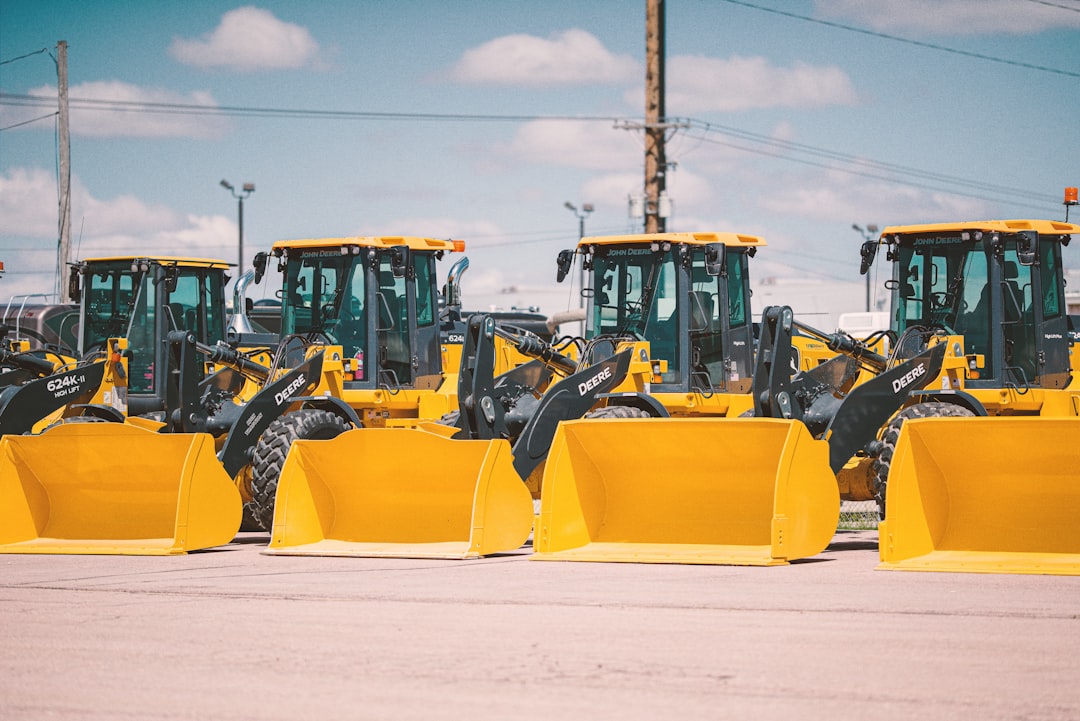
Whether you are buying, selling, financing, insuring, litigating, or planning for taxes, knowing what your equipment is truly worth is more than a bookkeeping exercise. A professional equipment appraisal and certified machinery valuation provide owners and decision-makers with a clear understanding of asset value at a specific point in time, helping support smarter financial and operational decisions.
The challenge is that machinery rarely has a simple or universal price. Value depends on condition, age, utility, market demand, maintenance history, documentation, and the purpose of the appraisal itself. A reliable equipment appraisal goes beyond estimates and delivers a defensible opinion of value backed by market data and industry expertise.
Equipment Appraisal & Certified Machinery Valuation: Understanding What Your Equipment Is Really Worth
Why Equipment Appraisal and Machinery Valuation Matter
Heavy equipment and industrial machinery often represent a major portion of a company’s capital assets. When values are overstated, businesses can make poor borrowing, insurance, or resale decisions. When values are understated, owners may lose negotiating leverage in a sale, settlement, or restructuring.
A professional certified machinery valuation creates clarity where assumptions can become expensive mistakes.
Different situations require different valuation approaches:
-
Lenders often need conservative collateral assessments.
-
Business owners preparing for a sale may require market-based equipment appraisals.
-
Attorneys and accountants may need defensible values for litigation, tax reporting, estate planning, or partnership disputes.
-
Insurance providers may require replacement cost analysis for proper coverage.
For companies throughout the Inland Northwest, firms such as Appraise Northwest are often consulted when accurate, USPAP-compliant machinery valuation services are needed.
Strong equipment appraisal work does not rely solely on depreciation schedules or guesswork. It evaluates the machinery in real-world operating conditions, including current market demand, usability, maintenance quality, and resale potential.
Key Factors That Influence Machinery Value
No single factor determines equipment value. A certified machinery valuation typically considers several interconnected elements before arriving at a supported conclusion.
Age and Effective Age
Calendar age matters, but effective age can matter even more. A ten-year-old machine with excellent maintenance may hold stronger value than a newer asset with excessive wear and poor service history.
Physical Condition
Wear, corrosion, rebuild history, structural integrity, and visible damage all affect machinery value. Equipment exposed to harsh environments or heavy-duty production cycles often requires closer inspection during the appraisal process.
Maintenance and Service Records
Complete service documentation strengthens value. Preventive maintenance records, inspections, and repair histories improve confidence in the equipment’s condition and remaining useful life.
Hours of Use and Operating History
For many machines, operating hours are a primary indicator of value. Duty cycle, production demands, and operating conditions also influence depreciation and marketability.
Utility and Configuration
Equipment retains value when it continues to serve a productive purpose in the marketplace. Specialized machinery may command strong pricing in niche sectors or limit the pool of potential buyers.
Market Demand
Supply and demand heavily influence equipment appraisal outcomes. Machinery used in active industries with strong resale channels often retains value better than obsolete or highly specialized assets.
Location and Removal Costs
Large installed systems may lose value when dismantling, transportation, and reinstallation costs become excessive. Removal expenses can significantly impact what buyers are willing to pay.
Technological Obsolescence
Even operational machinery can lose value if newer technology offers major improvements in efficiency, compliance, automation, or safety.
These factors must be evaluated together during a professional equipment appraisal. A well-maintained older machine in a strong market may outperform expectations, while newer equipment with limited resale demand may depreciate faster than anticipated.
Understanding Standards of Value in Equipment Appraisal
One of the most important components of a certified machinery valuation is selecting the correct standard of value. The same equipment can carry different values depending on the intended purpose of the appraisal.
| Standard of Value | What It Reflects | Common Use |
|---|---|---|
| Fair Market Value | Price agreed upon between informed buyers and sellers without compulsion | Sales, business planning, tax and estate matters |
| Orderly Liquidation Value | Expected sale proceeds with adequate marketing time | Collateral review, restructuring |
| Forced Liquidation Value | Expected proceeds under compressed sale conditions | Distressed sales, urgent disposition |
| Replacement Cost | Cost to acquire comparable equipment with similar utility | Insurance and asset planning |
Choosing the wrong standard of value can distort business decisions. Insurance valuations often focus on replacement considerations, while lenders may prioritize recoverable resale value under liquidation conditions.
A professional equipment appraisal should always align with the actual purpose of the assignment.
What Happens During a Certified Machinery Valuation
A credible equipment appraisal is built on evidence, not assumptions. Professional appraisers evaluate the machinery itself, supporting documentation, comparable market data, and operating context.
Common Areas Reviewed During an Equipment Appraisal
-
Manufacturer, model, serial number, and year
-
Equipment capacity and attachments
-
Operational condition and functionality
-
Installation and completeness
-
Maintenance and rebuild history
-
Comparable dealer listings and auction sales
-
Replacement cost trends
-
Remaining useful life and depreciation factors
Site inspections are especially valuable because they help verify actual condition, configuration, and usability.
To improve appraisal accuracy, owners should organize:
-
Maintenance records
-
Purchase invoices
-
Rebuild documentation
-
Equipment lists
-
Service logs
-
Operating manuals
-
Current photographs
Well-documented equipment is easier to evaluate and often supports stronger value conclusions during the appraisal process.
Common Equipment Valuation Mistakes
Many equipment owners estimate value based on what they paid, what they owe, or emotional attachment to the asset. Unfortunately, those assumptions rarely align with real-world market conditions.
Common Errors Include:
-
Confusing accounting depreciation with market value
-
Ignoring transportation and removal costs
-
Overlooking technological obsolescence
-
Comparing machinery to unrelated or non-comparable sales
-
Failing to document condition before disputes or sales arise
A proactive equipment appraisal helps owners avoid costly surprises by identifying value drivers before financing, litigation, insurance claims, or sales negotiations occur.
Why Certified Machinery Valuation Provides Long-Term Value
A professional equipment appraisal provides more than just a number. It delivers a defensible and well-supported understanding of machinery value that can guide business, legal, and financial decisions with confidence.
Whether the need involves:
-
Financing
-
Litigation support
-
Insurance review
-
Tax planning
-
Asset sales
-
Partnership disputes
-
Estate planning
…a credible certified machinery valuation creates clarity where precision matters most.
Experienced regional firms such as Appraise Northwest help businesses throughout the Pacific Northwest by providing USPAP-compliant equipment appraisal services backed by technical expertise, market awareness, and local industry knowledge.
Contact Appraise Northwest
Appraise Northwest Official Website
Phone: (509) 557-0880
Appraise Northwest provides certified equipment appraisal services for agriculture, construction, fleet, transportation, and industrial assets throughout the Pacific Northwest. USPAP-compliant reports available for financing, insurance, litigation, tax, and resale purposes.
